Guest Posting & Outreach Strategy That Editors Actually Respond To
Finding websites that accept guest posts is straightforward. The real challenge is getting your pitch noticed and accepted.
Most outreach emails fail not because the sites are hard to find. It’s because many overlook what actually matters — the editor’s perspective. They’re not just looking for content or backlinks; they’re seeking content that resonates with their audience, upholds their standards, and protects their credibility.
This guide shares a straightforward, practical approach. It’s rooted in real experience, designed to help you craft pitches that editors see as valuable, not just as link-building requests. When you focus on their needs first, acceptance rates go up — and so does your authority.
Why most guest post pitches fail (and what actually works)
Most outreach emails are written from the writer’s perspective, not the editor’s. They sound like:
“Hey, I’d love to write a guest post for you. I can cover topics like SEO, content marketing, and social media.”
That’s not a pitch. That’s a request.
Editors get dozens of these every day. They’re not looking for more content; they’re looking for better content that solves a problem for their audience. Your job is to show, in 2–3 sentences, that you understand their site, their readers, and what’s missing — and that you can fill that gap without making their life harder.
The strategy that actually gets replies is simple:
-
Research deeply before sending a single email.
-
Write like a human, not a sales bot.
-
Focus on the editor’s needs, not your backlink.
-
Make it stupidly easy for them to say yes.
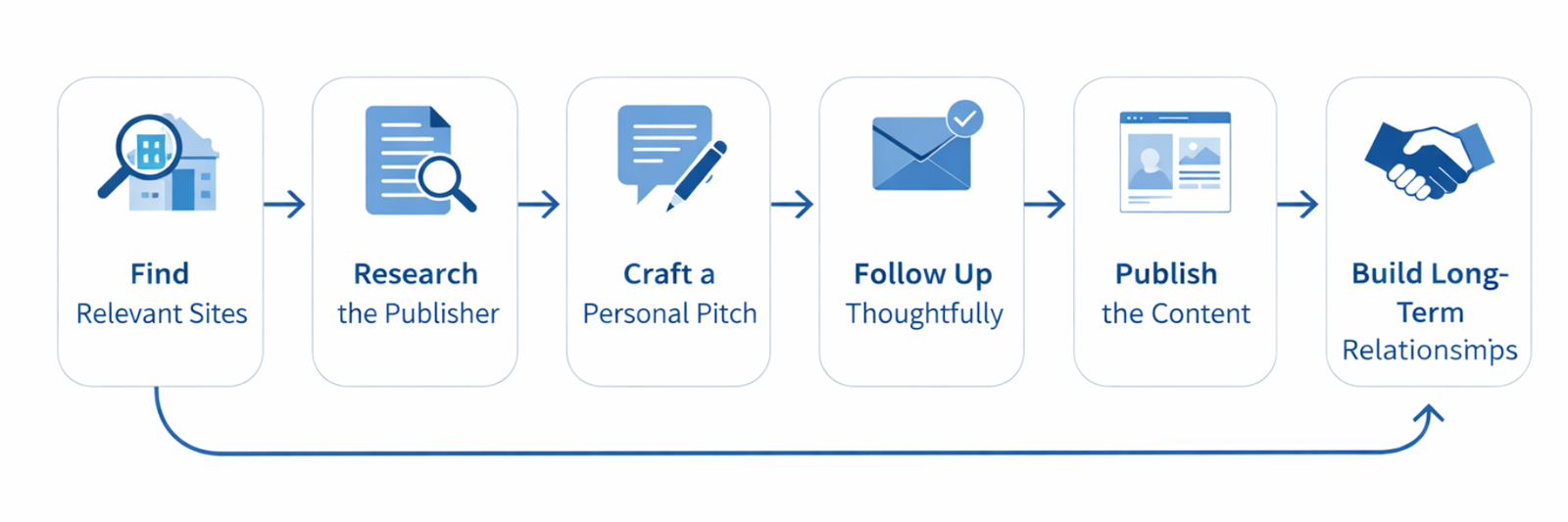
Let’s break this down into a repeatable system.
Step 1: Find the right sites (and ignore the rest)
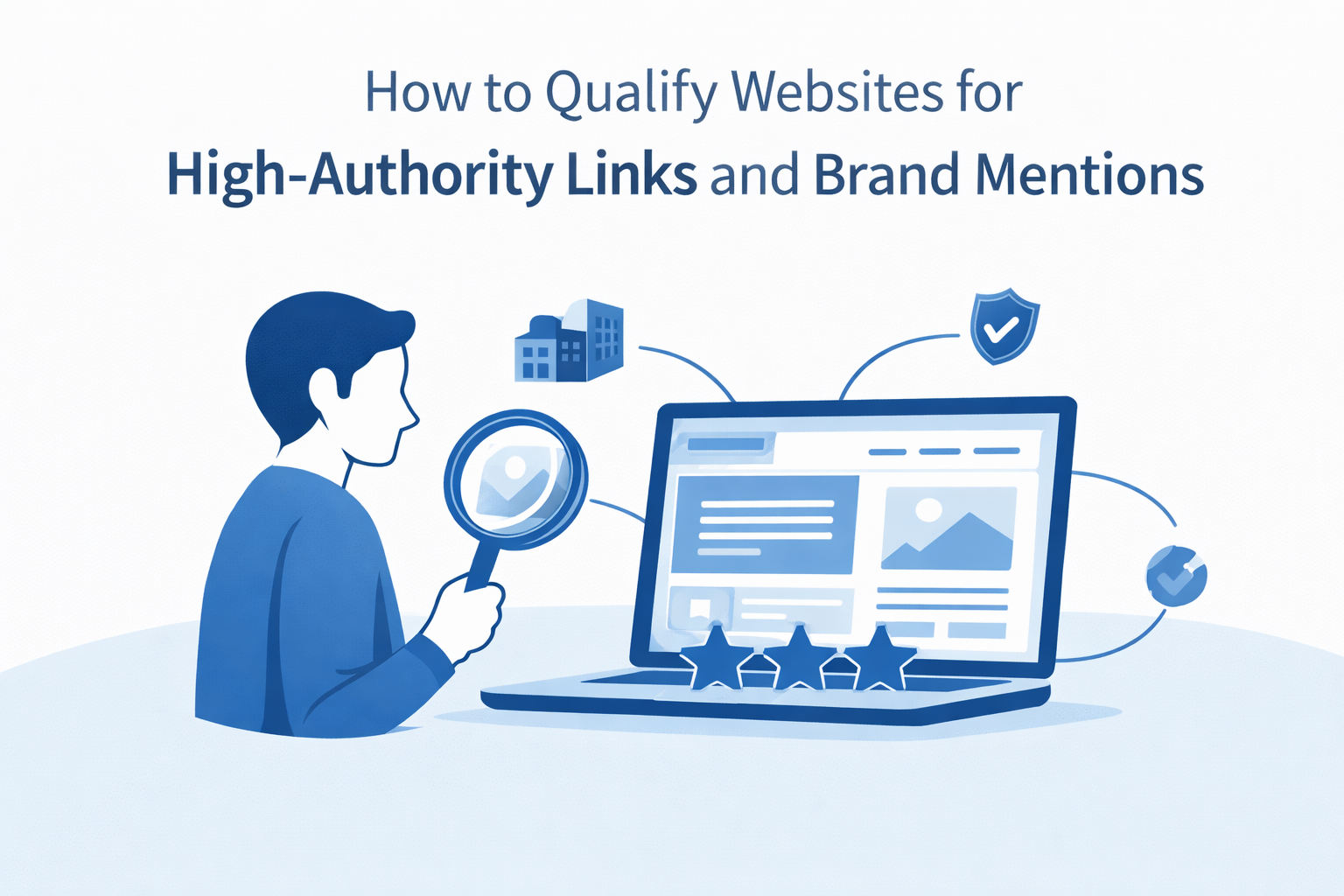
Not every site that accepts guest posts is worth your time. Chasing low-quality blogs just to “get links” burns hours and damages your reputation.
Instead, focus on sites that:
-
Are in your niche (or adjacent to it).
-
Have real traffic and an engaged audience (check SimilarWeb, Ahrefs, or SEMrush).
-
Publish content regularly and respond to comments.
-
Have clear “Write for Us” or “Guest Post Guidelines” pages.
How to find them:
-
Google search:
-
“write for us” + [your niche]
-
“submit a guest post” + [your niche]
-
“guest post guidelines” + [your niche]
-
-
Competitor backlink analysis:
-
Plug a competitor’s domain into Ahrefs/SEMrush.
-
Look at their “Referring domains” and filter for blogs that accept guest posts.
-
-
Social listening:
-
Follow editors and content managers in your niche on LinkedIn/Twitter.
-
Watch for posts like “Looking for guest contributors” or “We’re accepting pitches.”
-
Red flags to avoid:
-
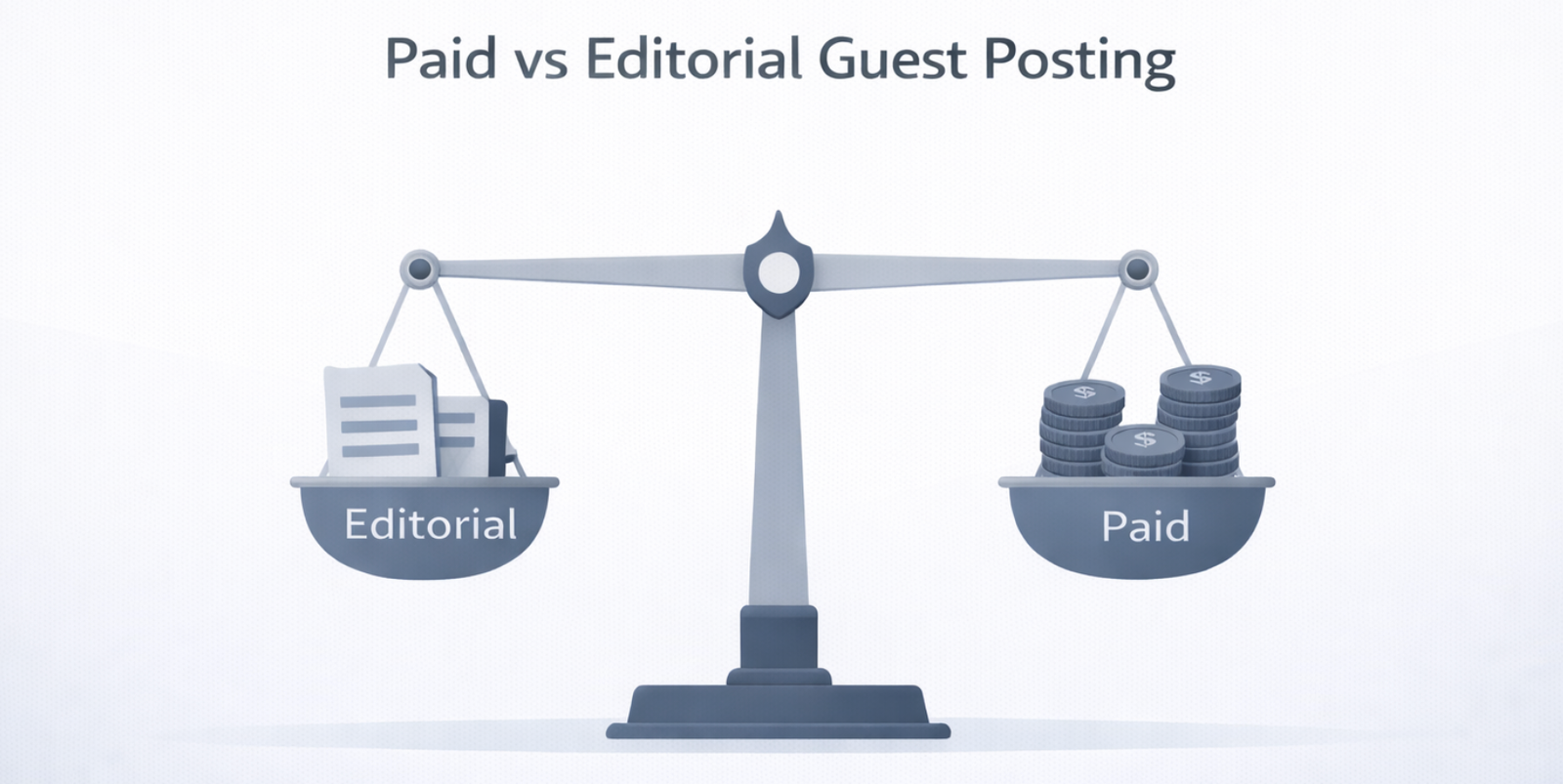
Sites that only accept paid guest posts (unless that’s part of your budgeted strategy).
-
Sites with spammy backlink profiles or thin content.
-
Sites that haven’t published in 3+ months.
Spend 70% of your time here. The better the target, the higher your reply rate.
Step 2: Research the site like an editor would
Before you write a single word of outreach, treat the site like a reader:
-
Read 3–5 recent posts.
-
What’s the tone? Conversational, formal, humorous?
-
What formats do they use? How-tos, listicles, case studies, opinion pieces?
-
What topics do they cover repeatedly? What’s missing?
-
-
Check their audience.
-
Read the comments. What questions do readers ask?
-
Look at their social shares. What content gets the most engagement?
-
-
Study their guidelines.
-
Word count, formatting, image requirements, disclosure rules, and preferred subject lines.
-
If they say “Subject line must be: Guest Post Pitch – [Your Name]”, follow it exactly.
-
This research is what separates a generic pitch from one that feels like it was written for that specific site.
Step 3: Craft a pitch that editors actually respond to
Your outreach email is not a sales pitch. It’s a collaboration proposal. The goal is to get a “yes” or a “no” — not to sell yourself.
Here’s the structure that works:
1. Subject line: Clear, specific, and curiosity-driven
Bad:
-
“Guest post opportunity”
-
“I’d love to write for you”
Good:
-
“Guest post idea: [Specific Topic] for [Site Name]”
-
“Loved your post on [Topic] – here’s a related idea”
-
“Pitch: A fresh take on [Topic] for [Site Name]”
If the site has guidelines, use their exact subject line format. That alone can double your open rate.
2. Opening line: Personal and human
Start with a genuine compliment, not flattery.
Examples:
-
“Hi [Name], I’ve been following [Site Name] for a while and really enjoyed your recent post on [Topic].”
-
“Hi [Name], your piece on [Topic] was one of the most practical guides I’ve read on [Subject].”
Avoid:
-
“Dear Editor / To Whom It May Concern”
-
“I’m a huge fan of your blog” (too generic)
3. Connection to their site
Show that you’ve done your homework.
Examples:
-
“I noticed you’ve covered [Topic A] and [Topic B], but haven’t gone deep into [Gap Topic].”
-
“Your audience seems to be struggling with [Problem], based on the comments on [Post Title].”
This proves you’re not just blasting the same email everywhere.
4. Your guest post idea
Be specific. Don’t say “I can write about SEO.” Say:
“I’d like to write a practical guide on:
‘How to Fix 5 Common Technical SEO Issues That Kill Local Rankings’The post would cover:
How crawl errors and broken links hurt local visibility
Why mobile speed matters for Google Business Profile rankings
A simple checklist for small businesses to audit their site
Real examples from audits I’ve done for local clients”
If possible, tie it to a recent post of theirs:
“This would be a natural follow-up to your post on [Their Post Title], but focused on the technical side.”
5. Value for their audience
Explain why this matters to their readers, not why it’s good for you.
Examples:
-
“This would help your audience avoid common technical mistakes that keep them from ranking, even with good content.”
-
“Readers would walk away with a clear action plan they can implement in under an hour.”
Avoid:
-
“This will help me build backlinks.”
-
“This will increase my visibility.”
6. Your credibility (briefly)
Mention 1–2 relevant credentials, not a resume.
Examples:
-
“I’ve been doing SEO for small businesses for 5+ years and have written for [Site 1], [Site 2].”
-
“I run an SEO agency focused on local businesses, and this is a topic I’ve implemented for multiple clients.”
Include 1–2 relevant links (your site, a published piece, or a case study).
7. Call to action
Make it easy for them to respond.
Examples:
-
“If this sounds like a good fit, I can send a detailed outline or draft for your review.”
-
“Would you be open to this topic? Happy to adjust the angle based on your audience’s needs.”
-
“If this isn’t quite right, I’d be happy to brainstorm other ideas that align with your content plan.”
Step 4: Write the email (template)
Here’s a real-world template you can adapt:
text
Subject: Guest post idea: [Topic] for [Site Name]
Hi [First Name],
I’ve been following [Site Name] for a while and really enjoyed your recent post on [Topic]. The way you broke down [Specific Point] was especially helpful.
I’d like to contribute a guest post on:
“[Your Specific Topic]”
The post would cover:
– [Key Point 1]
– [Key Point 2]
– [Key Point 3]
This would help your audience [solve specific problem] and give them a clear action plan they can implement quickly.
I’ve been doing [your niche] for [X] years and have written for [Site 1], [Site 2]. You can see my work here: [Link 1], [Link 2].
If this sounds like a good fit, I can send a detailed outline or draft for your review. Happy to adjust the angle based on your audience’s needs.
Looking forward to your thoughts.
Best,
[Your Name]
[Your Website]
[Optional: Calendly link if you want calls]
Key rules:
-
Keep it under 150 words.
-
No fluff, no jargon, no “I’m an expert in…”
-
One clear CTA.
-
Proofread like your reputation depends on it (because it does).
Step 5: Follow up (without being annoying)
Most replies come on the 2nd or 3rd email, not the first.
Follow-up timing:
-
First follow-up: 5–7 days after the initial email.
-
Second follow-up: 7–10 days after the first follow-up.
-
After that, move on.
Follow-up template:
text
Subject: Following up: Guest post idea for [Site Name]
Hi [First Name],
Just wanted to follow up on my email from [Date] about a guest post on [Topic].
If you’re still accepting contributions, I’d love to send a quick outline or draft for your review. Happy to adjust the topic if something else would be a better fit.
Either way, keep up the great work on [Site Name].
Best,
[Your Name]
If they say no, thank them and move on. If they say yes, follow their guidelines to the letter.
Step 6: Deliver content that makes them want to work with you again
Once they accept, your job is to make their life easier, not harder.
Before writing:
-
Re-read their guidelines (word count, tone, formatting, image requirements).
-
Confirm the topic and angle with the editor if needed.
While writing:
-
Focus on the reader, not on promoting yourself.
-
Use clear, actionable language.
-
Include practical examples, checklists, or templates where possible.
-
Link to 1–2 of their existing posts (if relevant).
-
Include one relevant link to your site (usually in the bio or a natural context).
Before submitting:
-
Proofread for grammar, spelling, and clarity.
-
Check that it matches their tone and style.
-
Include a short bio (2–3 lines) with a link to your site.
Submission email:
text
Subject: Guest post submission: [Title] for [Site Name]
Hi [First Name],
Thanks again for accepting my pitch on [Topic]. Attached is the draft for “[Title]”.
I’ve followed your guidelines on [word count, formatting, etc.] and focused on giving your audience a practical, actionable guide.
Let me know if you’d like any changes or have feedback. Happy to revise quickly.
Looking forward to your thoughts.
Best,
[Your Name]
[Your Website]
Step 7: Turn one guest post into a long-term relationship
The real ROI isn’t the backlink. It’s the relationship.
After the post goes live:
-
Promote it.
-
Share it on your social channels, email list, and relevant communities.
-
Tag the editor and site.
-
-
Engage with comments.
-
Reply to questions and thank people for feedback.
-
-
Send a quick thank-you.
-
“Thanks for publishing the post on [Topic]. I’ve shared it with my audience and will keep an eye on the comments.”
-
-
Pitch again (if appropriate).
-
“I’ve got a few more ideas that would fit your audience, like [Topic A] and [Topic B]. Would you be open to another contribution?”
-
Over time, this turns one-off guest posts into a pipeline of high-quality placements.
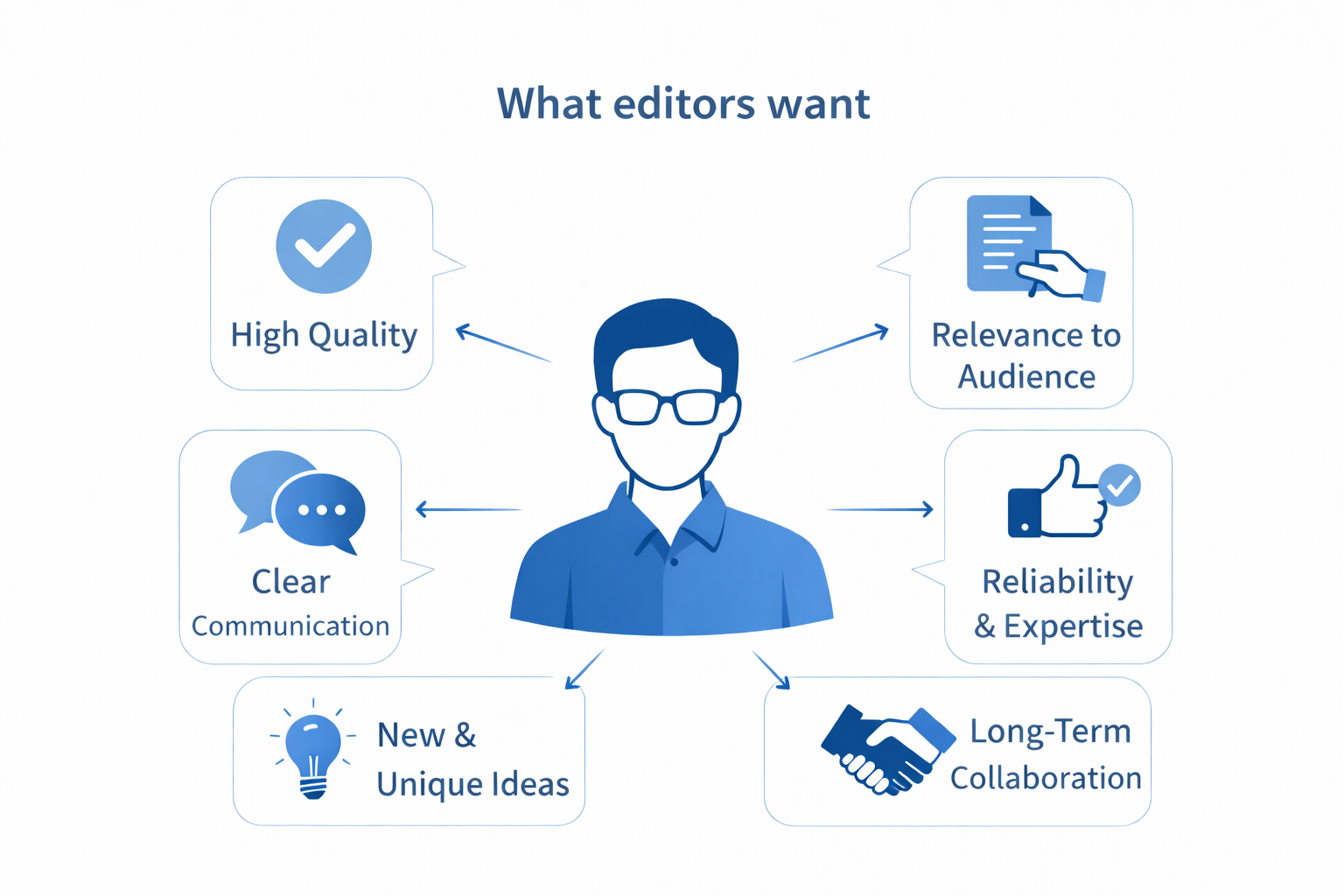
Bonus: What editors actually want (from their perspective)
If you want to stand out, think like an editor:
-
They’re overwhelmed with generic pitches.
-
They care about their audience’s experience, not your backlink.
-
They want content that’s easy to edit and publish.
-
They remember writers who are professional, responsive, and deliver value.
So your outreach should:
-
Show you’ve read their site.
-
Solve a real problem for their readers.
-
Make their job easier, not harder.
-
Be short, clear, and human.
When you do that consistently, editors stop seeing you as another “guest post spammer” and start seeing you as a reliable contributor.
Frequently Asked Questions
Q: How many follow-ups should I send?
A: Two follow-ups is usually enough — one after 5–7 days, and a second after 7–10 days. After that, move on. Most editors will respond if they’re interested.
Q: What if I don’t get a reply?
A: Silence is a valid response. It often means “not right now,” not “never.” Don’t take it personally. Keep your outreach polite and professional.
Q: Should I pitch multiple ideas in one email?
A: Stick to one or two strong ideas. Sending too many makes your pitch feel scattered and generic. Focus on quality, not quantity.
Q: Is it okay to pitch the same topic to multiple sites?
A: Yes, but tailor each pitch to the site. Avoid sending the same email to everyone. Show that you’ve done your research.
Q: How do I handle rejection?
A: Thank the editor for their time and feedback (if any). Stay professional. You never know when a “no” today could become a “yes” in the future.
Q: What if my content gets published but doesn’t get much traction?
A: Promote your post on your own channels. Engage with comments. The more you promote, the more editors will see you as a valuable contributor.
Tags:
outreach strategy